Refugee Services History
Learn about the history of our Refugee Services program, spanning from 1948 to today.
Our History
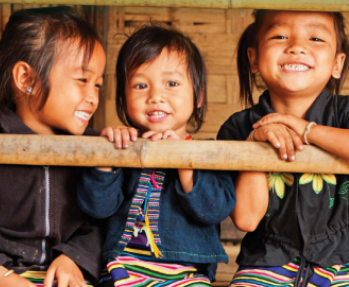
Although our Refugee Services program officially opened in 1979, the agency has been helping refugees since its beginnings in 1948. From 1948 to the mid 1960s, the agency helped resettle Europeans who were displaced after WWII, as well as Cuban refugees fleeing Fidel Castro.
However it wasn’t until the fall of Saigon at the end of the Vietnam War in 1975 that necessitated the launch of the St. Vincent Campus Refugee Services program to manage the massive influx of Vietnamese refugees resettling in the United States.
For the first five years, Refugee Services resettled mostly Vietnamese refugees. But as history progressed and more conflicts unfolded across the world, Refugee Services began resettling refugees from Eastern Europe, Africa, Asia, and Central America.
When the office first opened, only three employees handled the budding program. Today, Refugee Services employs 40 staff members and 10-15 contractual interpreters. Twenty-two languages are represented by our diverse staff. Since we began more than 40 years ago, we have resettled more than 15,000 refugees from 48 countries.
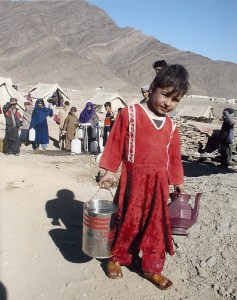
Programming has expanded to include employment aid, education, outreach and health services for the duration of the 30-90 day resettlement period.
Our Resettlement Timeline
This timeline marks the first years that CCIEC began to resettle refugee groups of more than 40 people, including summaries of the conflicts that may have forced them to flee their homes.
1975
Vietnam
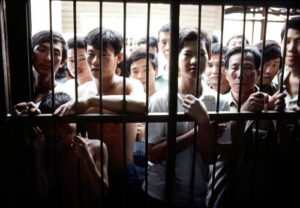
When the Vietnam War ended in 1975, Saigon fell to the communist forces and thousands of refugees fled political persecution and violence.
Image: United Nations Photo – Refugees at the Lumbhini Transit Centre in Bangkok, Thailand. There are about 2,000 refugees in this camp from Cambodia, Vietnam and Laos and the will be going to the United States, Canada, Italy and France.
1980
Cambodia
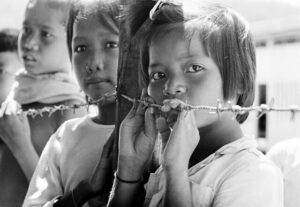
The Khmer Rouge, the communist forces that rose in Cambodia during the Vietnam War, orchestrated the Cambodian genocide, where they killed and tortured anyone with connections to foreign governments, intellectuals, scholars, ethnic Vietnamese, Chinese, Thai, and other minorities.
Image: United Nations Photo – Cambodian children at the Ban Mai Rut refugee camp near Klong Yai, Thailand. There are about 5,200 refugees in this camp which has a permanent wooden structure and several new ones made of Bamboo poles and thatched roofs and walls. [July 1979]
Laos
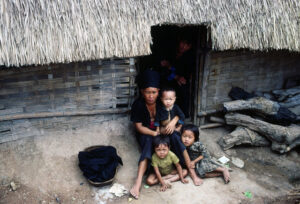
The communist forces of Pathet Lao took over the standing government, Royal Lao Kingdom, in 1975. Pathet Lao forces committed genocide against the Hmong ethnic minority, who worked for the United States military and CIA during the Vietnam War.
Image: United Nations Photo – A Laotian refugee family of the Hmong tribe living at the Ban Nam Yao Camp, Nan Province, Thailand. These Laotian refugees are from 5 major tribes: Hmong (or Meo), Yao, Phai (or Thin), Lao, and Khmu. Photo ID 31672. 01/07/1979. Nan Province, Thailand.
1987
Romania
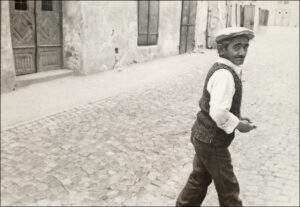
The Securitate, a brutal secret police force under former Romanian President Nicolae Ceaușescu, were responsible for the arrests, tortures, and deaths of political dissidents.
Image: Nick Kenrick – Romania 1990
Poland
In the early 1980s, the authoritative communist government, the People’s Republic of Poland, enforced martial law on Polish citizens in an attempt to thwart political opposition. Those who opposed were arrested, jailed, and sometimes killed.
1990
Armenia
In the late 1980s, tension escalated when Armenians in Azerbaijan peacefully protested to become part of Armenia. In response, Azerbaijan held anti-Armenian pogroms, killing thousands of ethnic Armenians. Starting in 1988, the Nagorno-Karabakh War broke out between Azerbaijan and Armenia, resulting in ethnic cleansing on both sides.
Russia
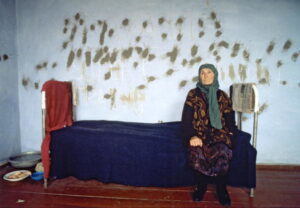
After the fall of the Soviet Union in 1989, religious minorities and political dissidents fled the region.
Image: United Nations Photo – The 1992 conflict between the Ingush and Osset ethnic groups led to ethnic cleansing and widespread destruction of housing.
Rwanda
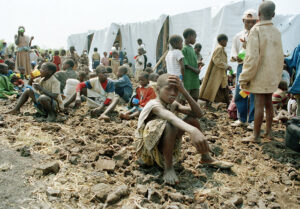
Long standing ethnic tension between the Tutsi and Hutu ethnic groups has led to many conflicts, causing people to flee. In 1990, the Rwandan Patriotic Front (RPF), made up of mostly the Tutsi ethnic group, invaded Northern Rwanda and started the Rwandan Civil War to overthrow the standing president. After the president was assassinated in 1994, the Rwandan genocide began. The exiled Hutu government began murdering Tutsis, causing even more refugees to flee in later years. CCIEC saw an increase of Rwandese refugees in later years.
Image: United Nations Photo – Rwandan children who had lost their parents rest at Ndosha camp in Goma.
1992
Haiti
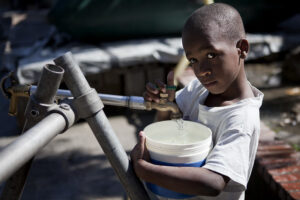
In 1991, the Haitian Army overthrew the newly elected president in an infamous coup d’état. Thousands of Haitians fled political persecution and violence in their homeland by floating to the United States on boats or rafts.
Image: United Nations Photo – A child collects water in a camp for displaced in Cité de Dieu, Port-au-Prince.
1993
Iraq
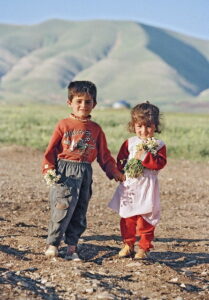
Wars under Saddam Hussein, The Iraq-Iran War and the Persian Gulf War, weakened the economy and caused mass civilian casualties. In 1991, ethnic and religious minorities in the Northern and Southern regions rebelled against the government. Hussein’s government responded with harsh airstrikes and chemical warfare, resulting in thousands of deaths and the exodus of Iraqi citizens.
Image: United Nations Photo – Children in an internally displaced persons’ camp near Suleimaniyah holding bouquets of flowers during the visit of Yasushi Akashi, Under-Secretary-General for Humanitarian Affairs.
Somalia
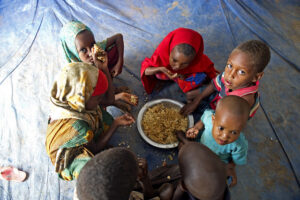
After the overthrow of an oppressive dictator in 1991, armed clan-based rebel groups have been fighting each other for control of the government ever since. CCIEC has resettled Somalis in a steady stream since 1993.
Image: United Nations Photo Somali refugee children share a meal inside a tent in Dollo Ado, Ethiopia.
Myanmar (Burma)
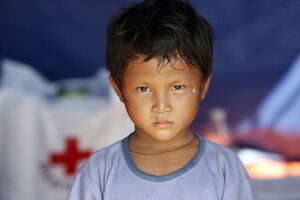
Myanmar, otherwise known as Burma, has been under military rule since a coup d’état in 1962. The civil wars and ethnic conflicts that have dominated the country since have been marked by violent political oppression and ethnic genocide of several different ethnic minority groups. CCIEC has resettled Burmese refugees in a steady stream since 1993.
Image: United Nations Photo
1994
Ethiopia
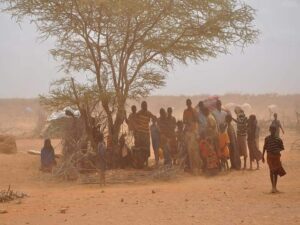
In addition to the infamous Ethiopian famine which destabilized the country, the Ethiopian Civil War, between the repressive government known as “The Derg” and rebel forces, led to the deaths of hundreds of thousands of Ethiopians.
Image: UK Department for International Development – A refugee camp in Ethiopia. Over 2,000 people a day were arriving at the Dolo Ado camp every day during late June/early July – many of them having walked for 15 days or more to get there.
1995
Cuba (PIP)
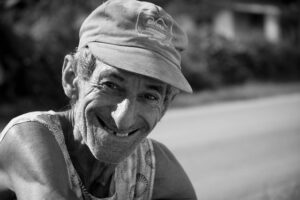
Cuban refugees who served in the United States military could legally bring spouses and close family members over from Cuba under the Parole in Place policy.
Image: Theodor Hensolt, Street Fotographer – Cuban Matanzas, Cuba
Bosnia
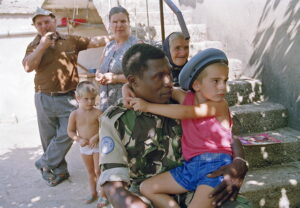
The Bosnian War, which took place from 1992-1995 as a result of the breakup of former Yugoslavia, led to fighting among religious and ethnic groups. The Serbs, Croats, and Bosnians fought over territory to establish new independent countries. The fighting led to the ethnic cleansing of Bosnians.
Image: United Nations Photo – UN Soldier of the Kenyan Battalion playing with a Croatian child in a predominantly Serbian village near Knin. The child’s family is in the background.
1997
Croatia
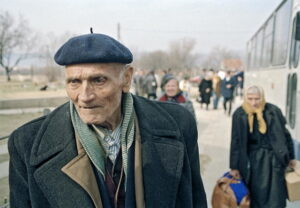
From 1991 to 1995, the Croatian War of Independence, a conflict over the land of modern day Croatia between the Croats and the Serbs, led to ethnic cleansing and widespread violence.
Image: United Nations Photo – This elderly man – an ethnic Croatian – is one of thousands who have fled their homes amidst the turmoil that followed the breakup of the former Yugoslavia.
Liberia
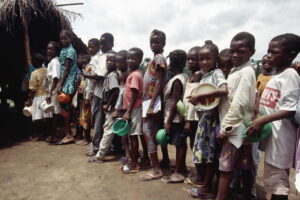
The First and Second Civil Wars of Liberia, from 1989–1996 and 1999–2003, respectively, forced the displacement of thousands of Liberians.
Image: United Nations Photo – Children line up for their food in a refugee camp run by the Office of the United Nations High Commissioner for Refugees (UNHCR) at Sinje.
Siberia
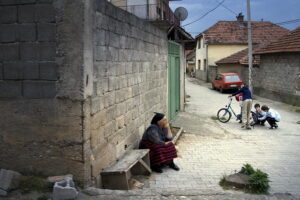
In the Bosnian War and the Croatian War, two conflicts over territory after the breakup of Yugoslavia, Serbs were subject to ethnic cleansing and widespread violence.
Image: United Nations Photo – People in the minority part of the town of Orahovac (Rahovec) in Kosovo, Serbia.
1998
Afghanistan
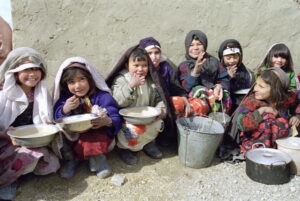
After a civil war in Afghanistan from 1989-1992 that led to political chaos and violence, the Taliban rose to power and captured the capitol Kabul in 1996. This ensued another war from 1996-2001 where the Taliban massacred civilians and established a strict form of Sharia law. Anyone who opposed was beaten or murdered.
Image: United Nations Photo – Afghan children waiting on line outside of the kitchen for the “wet feeding project,” situated near the western Afghan city of Herat.
Sudan
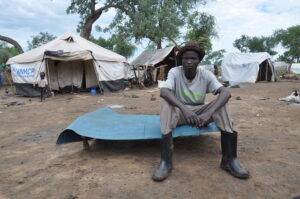
The Second Sudanese Civil War, caused by ethnic and religious tension, lasted from 1983 to 2005. Ethnic minorities were targeted and murdered. “The Lost Boys of Sudan” were a group of around 20,000 young boys who were orphaned and displaced by the civil war. Together, they traveled in groups thousands of miles to refugee camps in Ethiopia and Kenya, facing starvation, dehydration, attacks by wild animals, and enemy soldiers on their way.
Image: Oxfam East Africa – James Dafallah was born in Maban, which at the time was badly affected by the Sudanese civil war and suffered heavy fighting. In 2000, when he was nine years old, he lost his parents and walked with other boys through Maban, across into Blue Nile state, and then over the border to refugee camps in Ethiopia – one of the so-called “Lost Boys”. Eight years later he returned to South Sudan, went to school, and last year joined Oxfam to assist the new refugees.
1999
Albania (Kosovo)
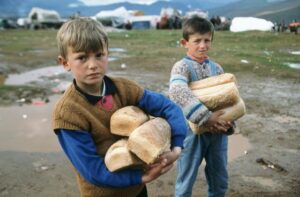
The Kosovo War from 1998-1999 was a conflict between Republics of Montenegro, Serbia, and the Kosovo Liberation Army. Ethnic violence and cleansing was committed on all sides and led to the displacement of hundreds of thousands of Albanian Kosovoians.
Image: United Nations Photo – Kosovo Refugees. These boys carry their family’s bread rations.
2001
Sierra Leone
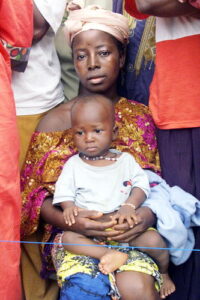
The Sierra Leone Civil War lasted from 1991-2002 and was fought over the natural resources of Sierra Leone, including diamonds. Civilian towns were massacred, killing tens of thousands and displacing millions.
Image: United Nations Photo – Portrait of refugee at a camp in Guinea. Most of the refugees are from Sierra Leone, with a small percentage from Liberia.
2004
Burundi
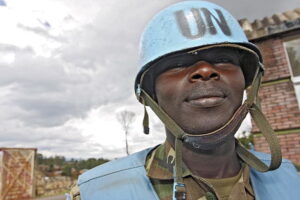
After the Hutu president of Burundi was assassinated in 1993 by Tutsi soldiers, a massacre of Tutsis began, followed by years of continued political instability and the displacement of over 100,000 people.
Image: United Nations Photo – A United Nations Operation in Burundi (ONUB) peacekeeper in front of the demobilisation center in Gitega, due to open on 29 November, which will receive ex-combatants to be demobilised or integrated in the national defence armed forces.
Eritrea
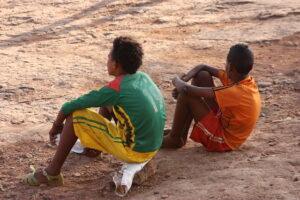
The Eritrean-Ethiopian War from 1998-2000 began over a border dispute led to the displacement, torture, and murder of thousands of Eritreans and Ethiopians.
Image: EU Civil Protection and Humanitarian Aid – There are over 100,000 Eritrean refugees in Ethiopia, many of them youngsters seeking a better life. The European Commission’s Humanitarian aid and Civil Protection department (ECHO) finances basic services such as shelter, food a small cash stipend, access to clean water, latrines and hygiene services as well as child protection activities.
Congo (DRC)
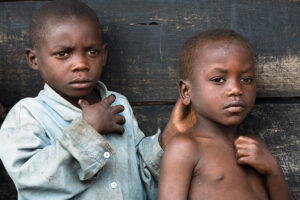
The First and Second Congo Civil Wars, 1996-1997 and 1996-2003, respectively, caused more than 16 years of armed conflict and unrest in the Democratic Republic of Congo. Civilians were subject to torture, murder, and rape. More than 2 million people have been displaced from their homes.
Image: United Nations Photo – Children displaced by conflict at Camp Buhimba in North Kivu, Democratic Republic of the Congo (DRC).
2005
Uzbekistan
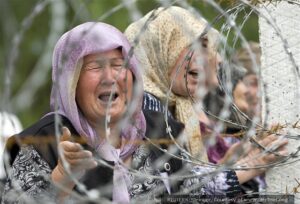
After the fall of the Soviet Union in 1991, Uzbekistan formed their own secret police force, which has been known to arrest and torture political dissidents. The Uzbek government killed several hundred civilians who were political protestors during the Andijan Massacre in 2005, resulting in a flood of hundreds of refugees out of the country.
Image: Save the Children Canada – Ethnic Uzbek refugees, fled from clashes in the city, cry as they gather on the Kyrgyz-Uzbek border, while waiting for permission to escape to Uzbekistan, near Osh, southern Kyrgyzstan.
2008
Bhutan
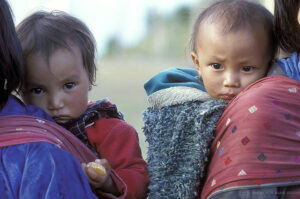
Starting in 1990, Bhutan feared the ethnic Lhotshampa population would revolt against the government, leading to persecution and expulsion. More than 100,000 Bhutanese refugees live in refugee camps in Nepal.
Image: World Bank – Children being carried. Bhutan.
2016
Syria
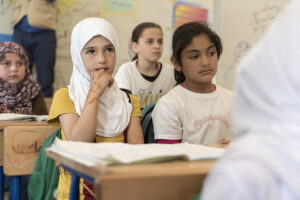
The Syrian Civil War began during the Arab Spring protests in 2011, when Syrian citizens held pro-democracy protests against President Bashar Al-Assad. Government forces responded with military force, which escalated into a civil war between the government forces and rebel groups. Both sides have been accused of war crimes, including rape, torture, murder, and purposeful blockage of food, water, and health resources. It is alleged that government forces used chemical weapons against civilians. The growing instability in the region has led to the rise of jihadist groups, such as the Islamic State. More than 250,000 Syrians have lost their lives in the civil war, and more than 11 million have been forced to flee their homes.
Image: United Nations Photo – Children listen to their teacher at the Zaatari Refugee Camp, located near Mafraq, Jordan, which has grown to house nearly 80,000 Syrian refugees since it opened in 2012. UNICEF has established nine school complexes at the settlement to ensure seats for the 28,000 school age children living at the camp.
Senegal
In 2016, many issues regarding human rights existed, including gender-based violence, human trafficking, forced and child labor, unethical prison conditions, and child and forced marriage.
Indonesia
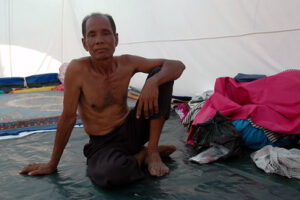
In 2016, many issues regarding human rights existed, including child labor, human trafficking, lack of workers’ rights, lack of protection against religious and social discrimination, and unethical prison conditions.
2019
Cameroon
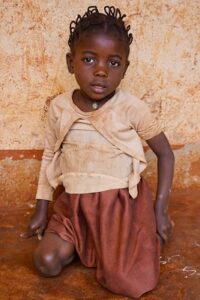
A resurrance in terrorism killed 275 Cameroonians in 2019, nearly double the number from the previous year. Civilians and security members were murdered, abducted, and ambushed.
Image: Hughes Songe
2020 - 2021
Honduras
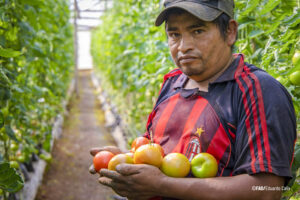
Between 2020 and 2021, more than double the number of Hondurans were in need of humanitarian aid compared to before 2020. A third of Hondurans were food insecure, and organized crime, gang violence, and femicide led to many Hondurans fleeing their country.
Image: FAOAmericas
Bahrain
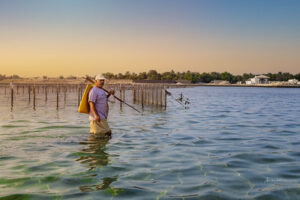
In 2020, many issues regarding human rights existed in Bahrain, including torture and cruelty as treatment or punishment, restricted access to the internet, limited freedom of expression and the press, and restricted political participation.
Image: Ali Nashme
2022
Mali
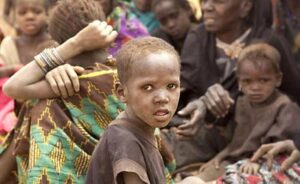
In 2022, many issues regarding human rights existed in Mali, including torture and cruel treament and punishment, restricted freedom of expression and media, domestic and sexual violence, forced marriage, and child labor.
Image: Africa Talks
2023
Palestine
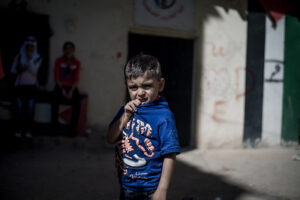
The ongoing conflict between Palestine and Israel has led many Palestinians to seek asylum.
Image: Adrian Guerin
Venezuela
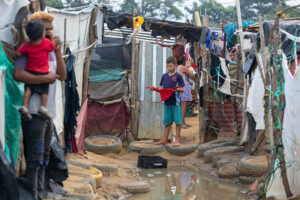
In 2022, many issues regarding human rights existed in Venezuela, including lack of health care, food insecurity, imprisonment of political opponents, and murder of low-income civilians.
Image: Mussi Katz
Uganda
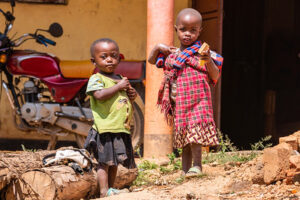
In 2023, many issues regarding human rights existed in Uganda, such as unsafe prison conditions, torture and cruel punishment and treatment, restricted freedom of expression and media, government coruption, sexual, domestic, and gender-based violence, and forced marriage.
Image: Kartazon Dream
Saudi Arabia
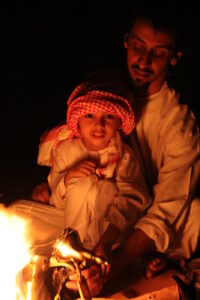
In 2023, many issues regarding human rights existed in Saudi Arabia, such as unsafe prison conditions, torture and cruel punishment and treatment, restricted freedom of expression and media, restricted religious freedom, and restricted political participation.
Image: Moe M
Nicaragua
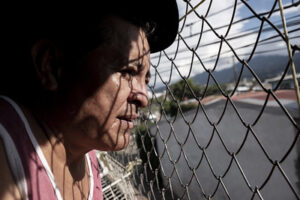
In 2023, many issues regarding human rights existed in Nicaragua, such as torture and cruel punishment and treatment, restricted freedom of expression and media, restricted religious freedom, government restriction, and femicide.
Help Newcomers Resettle in Lansing
Your generous gift will help us continue to provide our programming to refugees resettling in our community.
Cristo Rey Campus
1717 N. High Street
Lansing, MI 48906
St. Vincent Campus
2800 W. Willow St.
Lansing, MI 48917
Call Us: (517) 372-4700
Hours: Monday - Friday, 8AM – 5PM
Call Us: (517) 323-4734
Hours: Monday - Friday, 9AM – 4PM
